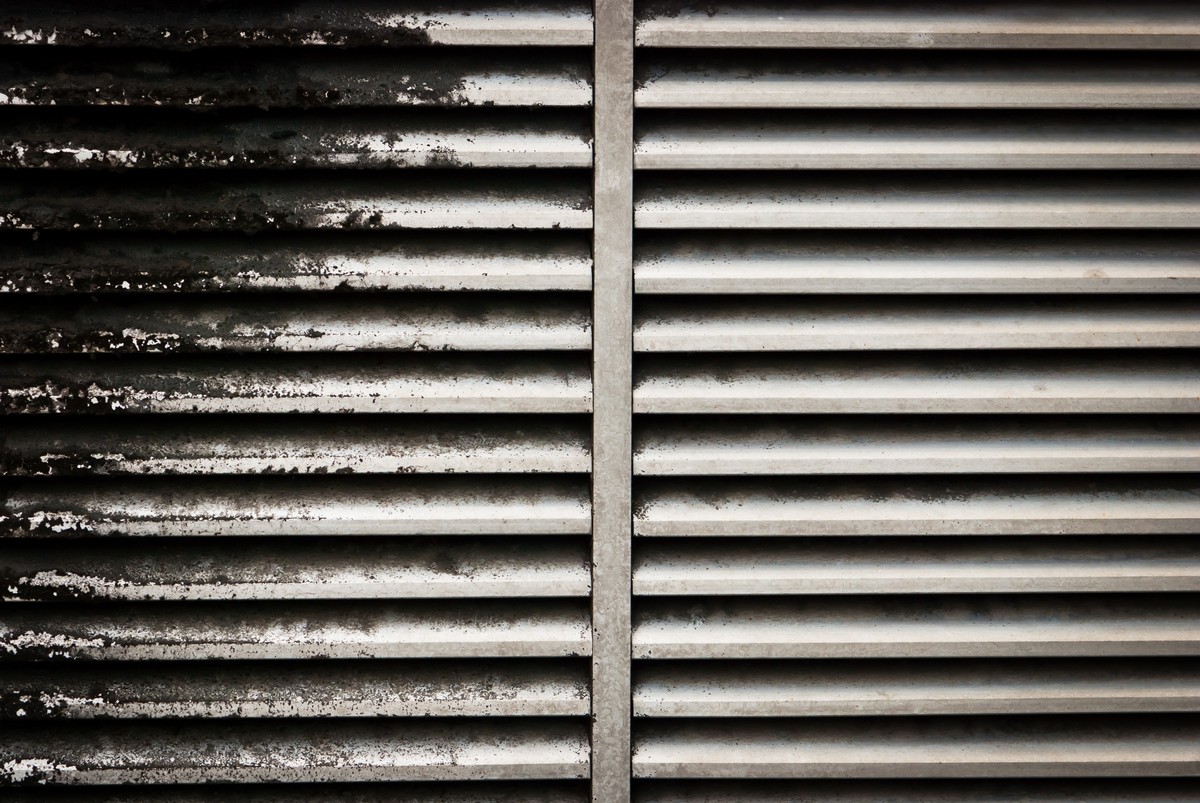
That musty smell that lingers every time the heat or air conditioning kicks on is often more than a minor annoyance. In many homes, it is the first sign that mold has taken hold inside the ventilation system, spreading spores through every room each time air circulates. Because vents are dark, often damp, and rarely inspected, they create nearly ideal conditions for mold to thrive out of sight. If the problem has already moved beyond the surface, professional emergency restoration in Cincinnati may be needed to address both the mold and any moisture feeding it.
Knowing how to get rid of mold in vents protects both your indoor air quality and your family's health. In this guide, we will walk through what causes vent mold, how to recognize it, the safest way to clean it, and the habits that keep it from coming back for good.
Why Mold Grows in Vents in the First Place
Mold needs three things to flourish: moisture, organic material to feed on, and a temperature range that most homes sit squarely within. Ventilation systems check every box. Condensation forms on cool metal surfaces when warm, humid air passes through, and dust that collects inside the ducts provides a steady food source. Add in the region's humid summers, and vents become a quiet breeding ground.
Leaky ductwork, oversized air conditioning units that cool too quickly without removing enough humidity, and poor drainage around HVAC components all contribute to the problem. Sometimes the root cause is water intrusion elsewhere in the home, such as a roof leak or a plumbing issue that raises the overall moisture level. When that happens, cleaning the vents alone will not solve anything until the underlying source is corrected.
How to Spot Mold Before It Spreads
Mold in vents does not always announce itself clearly, but there are reliable clues. A persistent earthy or musty odor that intensifies when the system runs is one of the most common early warnings. You may also notice black, green, or gray specks around vent covers, registers, or the edges of the ductwork.
Health symptoms can point to a hidden problem as well. Unexplained congestion, sneezing, itchy eyes, headaches, or worsening allergy and asthma symptoms that improve when you leave the house often trace back to airborne spores. If more than one household member notices these patterns, it is worth taking a closer look. Catching the issue early makes it far easier to get rid of mold in vents before it migrates deeper into the system.
How to Get Rid of Mold in Vents Safely
For small, surface-level growth on a vent cover or the first few inches of accessible ductwork, a careful cleaning can make a real difference. Before you begin, turn off the HVAC system so you are not circulating spores while you work, and protect yourself with gloves, eye protection, and an N95 mask. Spores become airborne easily, and disturbing them without protection can worsen exposure.
Here is a simple approach for handling minor, reachable mold on vent surfaces:
- Remove the vent cover and wash it with warm water and a household detergent, then dry it completely before reinstalling.
- Wipe visible mold from accessible duct surfaces using a cloth dampened with a cleaning solution designed for mold, avoiding harsh mixing of chemicals.
- Dry the area thoroughly, since any leftover moisture invites regrowth within days.
- Dispose of used cloths and filters in a sealed bag rather than leaving them in open trash indoors.
This kind of cleaning works only for limited, visible growth. If mold has spread into the deeper ductwork, keeps returning after cleaning, or covers a significant area, surface cleaning will not reach the source. At that point, professional equipment and containment are necessary to prevent spores from scattering throughout the home. The safest way to fully get rid of mold in vents in those cases is to bring in a trained remediation team.
When to Call a Professional
There is a clear line between a manageable cleaning task and a job that requires expertise. If the mold-affected area is larger than a square foot or two, if it keeps coming back, or if anyone in the home has respiratory conditions, professional help is the responsible choice. The same is true when mold is tied to a water problem, because the moisture will keep feeding new growth until it is addressed.
Trained technicians use containment barriers, specialized filtration, and inspection tools to find mold you cannot see and remove it without spreading spores. They also identify the moisture source, which is the part most homeowners miss. For many households across Cincinnati and the surrounding areas, that combination of thorough cleaning and moisture correction is what finally breaks the cycle. Reliable property restoration services can handle both sides of the problem at once.
Preventing Mold From Coming Back
Getting rid of the mold is only half the battle. Keeping it gone comes down to controlling moisture and maintaining your system. Managing indoor humidity is the single most effective step. Keeping relative humidity below roughly fifty percent makes it much harder for mold to establish itself, and a dehumidifier can help in damp seasons or lower levels of the home.
Regular HVAC maintenance matters just as much. Replacing filters on schedule keeps dust, which feeds mold, from accumulating inside the ducts. Have a professional inspect and clean your system periodically, check that drip pans drain properly, and seal any leaks in the ductwork that allow humid air to condense. Good ventilation in bathrooms, kitchens, and laundry areas reduces the overall moisture load that eventually reaches your vents.
It also pays to address water issues quickly wherever they appear. A roof leak, a window that sweats, or a slow plumbing drip can raise moisture levels enough to restart the problem. If you have dealt with past flooding or leaks, prompt water damage restoration in Cincinnati helps ensure lingering dampness does not become tomorrow's mold outbreak.
Protecting Your Home and Your Air Quality
Mold in your ventilation system is a problem that only grows worse the longer it goes unaddressed. The key takeaways are straightforward: moisture is the real culprit, early detection saves time and money, small surface cleaning can help but has limits, and lasting prevention depends on humidity control and routine maintenance. By staying attentive to musty odors, visible growth, and unexplained symptoms, you can act before a minor issue becomes a whole-home concern.
When the situation is beyond a quick wipe-down, or when moisture keeps feeding the problem, expert help makes all the difference. Our team provides thorough mold remediation in Cincinnati along with dependable water damage restoration in Florence, treating both the mold you can see and the conditions that allow it to return. If you suspect mold in your vents or elsewhere in your home, reach out to 1st Call Disaster Services for an assessment and a clear plan to restore clean, healthy air.