Brick has protected homes and buildings for thousands of years, and much of that reputation comes from its ability to withstand fire. So it is fair to ask: can brick catch on fire during a house fire, wildfire, or intense structural blaze? The short answer surprises many property owners, and understanding the details can help you make smarter decisions about safety, repairs, and recovery. If your property has already suffered heat or flame damage, our team offers emergency restoration in Cincinnati to help you assess the situation quickly and safely.
In this guide, we will break down how brick actually behaves under extreme heat, why it is considered fire resistant rather than fireproof, and what warning signs indicate your masonry may have been compromised. Whether you own a historic home, a modern build, or a commercial property, knowing the limits of brick can save you money and prevent dangerous surprises down the road.
Can Brick Catch on Fire? The Straightforward Answer
Brick itself does not burn. It is made from clay and shale that have already been fired in a kiln at temperatures often exceeding 1,800 degrees Fahrenheit. Because it has already endured that intense heat during manufacturing, brick is naturally noncombustible, meaning it will not ignite or feed a fire the way wood, fabric, or insulation will. So when people ask if brick can catch on fire, the technical answer is no, brick does not combust.
That said, this does not mean brick is invincible. While it will not burst into flames, brick can absolutely be damaged, weakened, and even destroyed by prolonged exposure to extreme heat. The mortar holding bricks together, the internal moisture within the brick, and the structural elements behind the masonry are all vulnerable. So the more accurate question is not whether brick burns, but how well it holds up when the heat becomes severe enough.
What Extreme Heat Actually Does to Brick
When a fire pushes temperatures well beyond what brick experienced during manufacturing, the material begins to break down in several ways. One of the first things to fail is the mortar. Mortar is more porous and less heat resistant than the brick itself, and under sustained high temperatures it can crack, crumble, and lose its bonding strength. Once the mortar deteriorates, the entire wall loses stability even if the individual bricks appear intact.
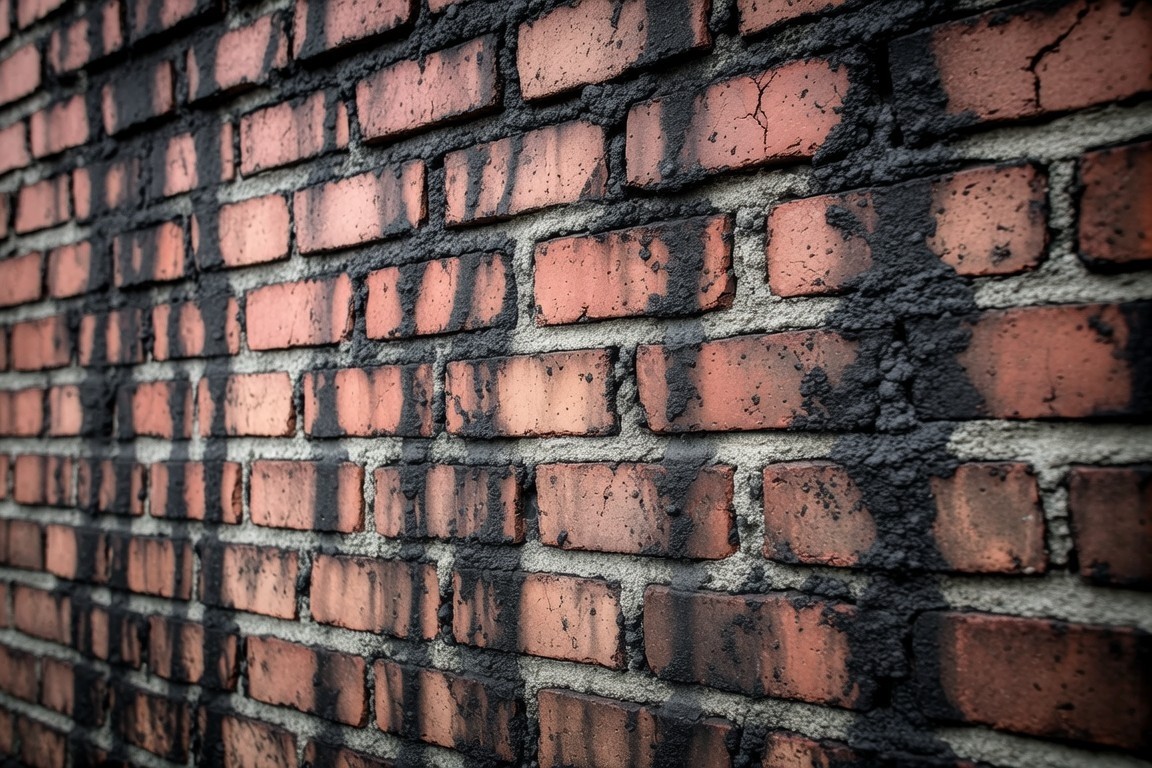
The bricks themselves can also suffer. Trapped moisture inside a brick can turn to steam under rapid heating, and that pressure sometimes causes the surface to spall, meaning it flakes, splits, or pops off in chunks. Extreme heat can also cause discoloration, deep cracking, and a loss of compressive strength. In the most severe cases, bricks can warp or effectively begin to break down, which is why a chimney or brick wall exposed to a major fire should never be assumed safe without inspection.
So while the answer to can brick catch on fire remains no, the answer to whether brick can be ruined by fire is a definite yes. This distinction matters enormously during restoration, because a wall that looks solid may be structurally unsound underneath.
Why Fire Resistant Does Not Mean Fireproof
It is easy to assume that a brick home is safe from fire, but that assumption can be dangerous. Brick offers excellent protection against fire spreading from the outside in, and it can slow a fire long enough to buy critical time. However, most fires start inside a building, where wood framing, flooring, furniture, and belongings provide plenty of fuel. In those situations, the brick exterior may remain standing while the interior is devastated.
There is also the issue of smoke. Even when flames never touch the masonry, smoke and soot penetrate porous brick surfaces easily. This leaves behind stubborn odors and staining that ordinary cleaning cannot remove. Smoke damage is one of the most underestimated consequences of a fire, and it often requires specialized treatment. If you want to understand how smoke moves through a structure and what recovery looks like, our team handles the full scope of fire and smoke cleanup as part of our restoration work.
Chimneys, Fireplaces, and Everyday Heat Exposure
One place brick faces heat regularly is the chimney and fireplace. These structures are designed to handle repeated exposure to flame and hot gases, but they are not immune to damage over time. Repeated heating and cooling cycles can slowly weaken mortar joints and cause hairline cracks. A chimney fire, which burns far hotter than a normal fire, can crack flue liners and compromise the brickwork in a matter of minutes.
This is why homeowners should never ignore signs of chimney trouble such as flaking interior brick, a strong smoky smell, white staining, or visible cracks. Even though the question can brick catch on fire brings a reassuring answer, the surrounding wood framing, roofing, and insulation near a chimney are highly flammable. A compromised chimney can allow heat to reach those materials, turning a small problem into a house fire. Regular inspection and prompt repair are the best defense.
How to Tell If Your Brick Was Damaged by Fire
After a fire, brick may look deceptively fine while hiding serious internal damage. Professional evaluation is always the safest path, but there are visible warning signs worth watching for. Keep an eye out for the following indicators that heat may have compromised your masonry:
- Crumbling, cracked, or missing mortar between bricks
- Surface spalling where pieces have flaked or popped off
- Discoloration, deep cracks, or a change in the brick texture
- Leaning, bulging, or shifting sections of a wall or chimney
- Lingering smoke odor or soot staining that resists cleaning
If you notice any of these, avoid leaning on or climbing near the affected structure and contact a restoration professional. Damaged masonry can fail without much warning, and safety should always come first.
Restoring Your Property After Fire and Heat Damage
Recovering from a fire involves far more than sweeping up debris. It requires structural evaluation, smoke and soot removal, odor neutralization, and often repairs to the roof, siding, and other exterior components that took heat damage alongside the brick. Because fire frequently damages the roofline and gutters, coordinating masonry work with roofing and exterior services helps ensure the entire building envelope is restored properly. Our team supports homeowners and businesses throughout Cincinnati and the surrounding areas with comprehensive recovery services.
For business owners, downtime after a fire can be costly, which is why our commercial fire damage restoration in Cincinnati focuses on getting your property safe and operational as quickly as possible. Residential clients across northern Kentucky also rely on our fire damage restoration in Florence for the same thorough, compassionate approach.
So while the answer to can brick catch on fire is reassuring, remember that fire resistance has limits. Brick can be weakened, cracked, and infiltrated by smoke even when flames never consume it. If your home or business has faced a fire, do not judge the damage by appearance alone. Reach out for a professional assessment, and let our experienced team help you restore your property safely and completely.