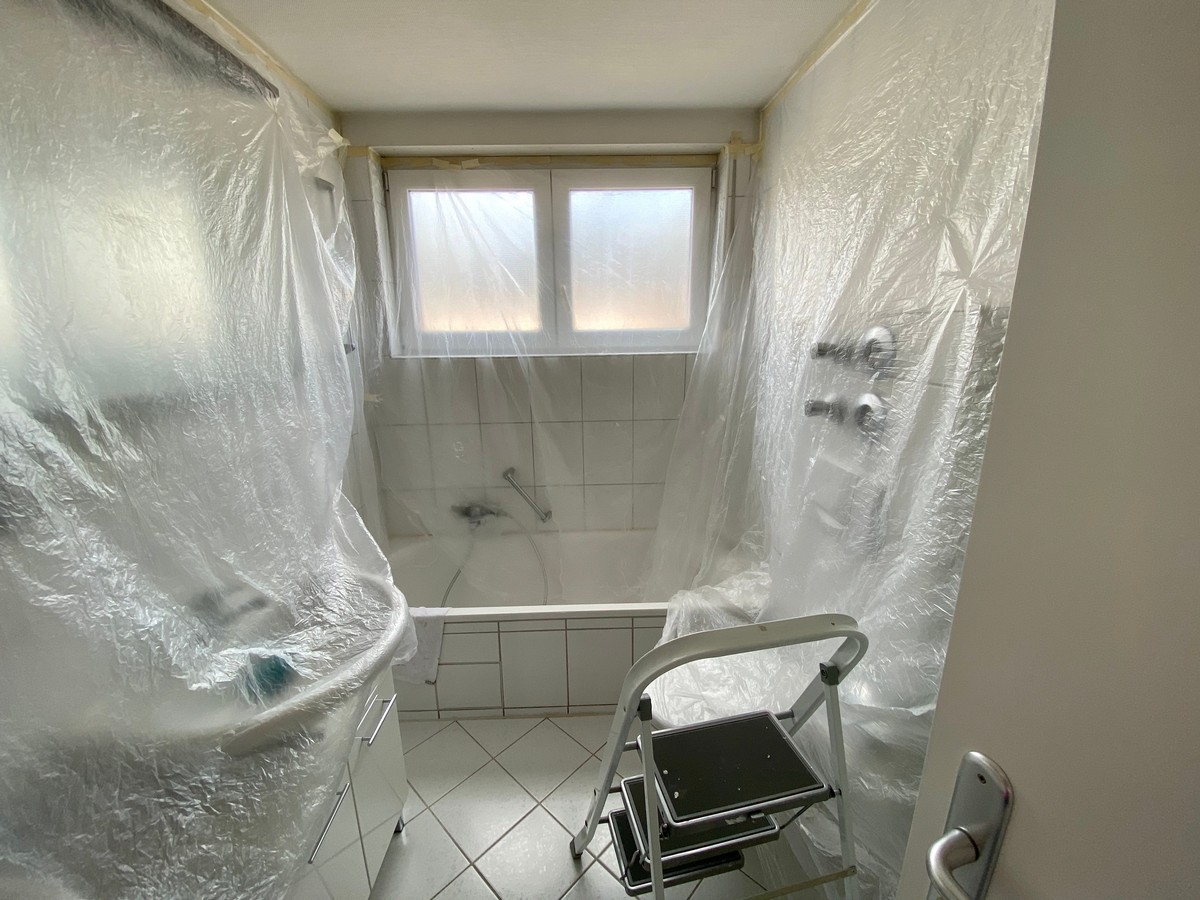
A single leaking supply line under a bathroom sink can release gallons of water before you ever notice a problem. Bathrooms are compact, but they hold a surprising amount of plumbing, and when something fails, the water finds its way behind vanities, under flooring, and into wall cavities fast. That is why so many homeowners searching for emergency restoration in Cincinnati are dealing with damage that started in the smallest room of the house.
Understanding the cost and process of water remediation in a small bathroom helps you make smart decisions when time matters most. In this guide, we will walk through what drives the price, what a professional response actually involves, and how to know when a quick cleanup is enough versus when you need trained help.
What Drives the Cost of Water Remediation in a Small Bathroom
The phrase "small bathroom" suggests a small bill, but the reality depends on what the water touched and how long it sat. A clean leak caught within an hour is far cheaper to address than one that soaked into subflooring overnight. The category of water also matters. Clean water from a supply line is the least complicated, gray water from a tub or sink adds sanitizing steps, and black water from a toilet backup requires careful handling and disposal.
Several factors influence the final estimate for water remediation in a small bathroom. The size of the affected area, the type of flooring, whether the vanity or drywall must be removed, and the moisture levels hidden inside walls all play a role. Tile floors with a waterproof membrane may dry out with minimal disruption, while laminate or engineered wood often swells and needs replacement. Moisture that reaches an adjacent hallway or closet expands the scope quickly.
Drying equipment rental time is another variable. Air movers and dehumidifiers may run for two to four days, and stubborn moisture trapped behind a shower wall can extend that timeline. The longer the drying phase, the more the total climbs, which is one reason a fast response usually saves money overall.
What the Remediation Process Actually Looks Like
When our team arrives, the first step is always assessment. We use moisture meters and thermal imaging to map exactly where the water traveled, because what you see on the surface is rarely the full picture. Water wicks upward into drywall and sideways along floor joists, so pinpointing the wet zones prevents guesswork and future mold.
Next comes extraction and removal of any standing water, followed by the strategic placement of drying equipment. If materials are too saturated to salvage, such as swollen baseboards or waterlogged cabinetry, controlled removal keeps the moisture from spreading and gives the structure a clean path to dry. Throughout the process, technicians monitor moisture readings daily and adjust equipment as conditions change.
The final stage is verification. Before any rebuilding begins, we confirm that the affected materials have returned to a normal moisture content. Skipping this step is where many do-it-yourself attempts go wrong, because a floor that feels dry on top can still hold enough moisture underneath to grow mold within days. Proper water remediation in a small bathroom always ends with documented proof that the space is genuinely dry.
Typical Cost Ranges and Why They Vary
Every job is different, so no honest company can quote a flat number without seeing the damage. That said, small bathroom projects tend to fall into a few general tiers based on severity. A minor clean water event addressed promptly, with only drying required, sits at the low end. A moderate job that involves removing a vanity, sections of drywall, and some flooring lands in the middle. A severe situation with contaminated water, extensive material removal, and reconstruction reaches the higher end.
Here are the main elements that shape an estimate:
- The category and cleanliness of the water involved
- How much material must be removed versus dried in place
- The number of days drying equipment needs to run
- Whether mold has begun to develop
- The cost of rebuilding, such as new flooring, drywall, or a vanity
Insurance often covers sudden and accidental water damage, though coverage varies by policy. Keeping photos, documenting the source, and calling a professional early all help support a smoother claim. We regularly work directly with insurance providers to streamline that part of the process for homeowners.
When to Call a Professional Versus Handling It Yourself
A small puddle from a splashed sink that you wipe up immediately is not an emergency. The trouble begins when water has had time to spread, when it came from a contaminated source, or when you smell that musty odor signaling hidden moisture. If the water reached under the flooring, behind the wall, or into an adjacent room, professional water remediation in a small bathroom is the safer choice.
Mold is the biggest reason to act quickly. It can begin growing within twenty-four to forty-eight hours in the warm, humid environment a bathroom naturally provides. Once mold takes hold inside a wall cavity, the cost and complexity of the job rise sharply. A trained crew with the right drying equipment removes that risk before it starts.
Preventing the Next Bathroom Leak
Some of the most common small bathroom water issues are preventable with routine attention. Inspect the flexible supply lines under your sink and toilet every few months, since these braided hoses degrade over time and are a frequent failure point. Re-caulk around tubs and showers when you notice gaps, and watch for loose or discolored grout that lets water seep behind tile.
Toilet seals and wax rings also wear out, and a toilet that rocks slightly when you sit down is often a warning sign. Keeping an eye on your water bill can reveal a hidden leak too, because an unexplained increase sometimes points to water escaping where you cannot see it. Small habits like these go a long way toward avoiding a much larger repair down the road.
When damage does occur, moving fast is the single best thing you can do to control both the cost and the stress of the situation. Prompt water remediation in a small bathroom limits how far moisture spreads, protects your flooring and walls, and reduces the chance of mold taking hold. The difference between a two day dry-out and a full reconstruction often comes down to how quickly help arrives.
Our team serves homeowners and businesses across Cincinnati and the surrounding areas, offering reliable water damage restoration in Florence along with full-service support throughout the region. Whether you are facing a residential bathroom leak or need commercial water damage restoration in Cincinnati for a larger property, we are ready to respond quickly and guide you through every step. If you are dealing with unexpected water, reach out for a free assessment and let us help you get your space dry, safe, and back to normal.