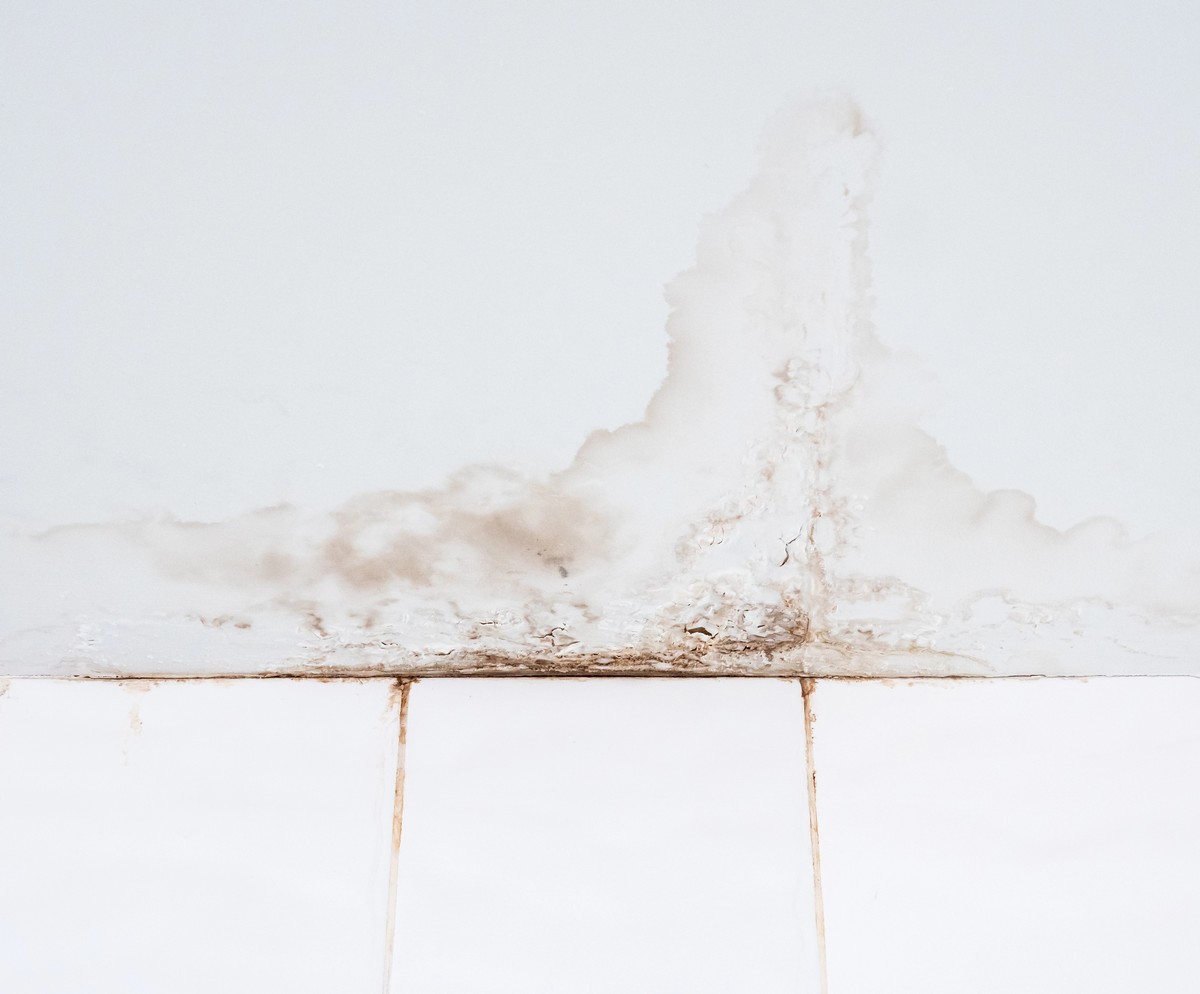
Most homeowners think they have days to deal with a leak or a flooded basement. In reality, the clock starts ticking almost immediately. One of the most common questions we hear when providing restoration services in Cincinnati is simple but urgent: can water damage cause mold, and if so, how fast? The honest answer surprises a lot of people, because mold does not wait for a convenient moment to appear.
Understanding the timeline matters more than you might expect. The difference between catching moisture early and letting it linger can be the difference between a quick cleanup and a costly, health-affecting remediation project. In this article, we will walk through exactly how quickly mold can take hold after water intrudes into your home, what conditions accelerate it, and what you can do to stop it before it spreads.
The Short Answer: 24 to 48 Hours
Under the right conditions, mold spores can begin to germinate and grow within 24 to 48 hours of a surface becoming wet. This is not an exaggeration. Mold spores are already present in nearly every indoor environment, floating invisibly in the air and settling on surfaces. They are harmless in that dormant state. What activates them is moisture, and once they have a damp surface to feed on, colonies can establish themselves faster than most people realize.
So when someone asks can water damage cause mold, the accurate response is that water damage is one of the leading triggers for it. Whether the source is a burst pipe, a roof leak, a backed-up appliance, or storm flooding, the standing moisture creates an ideal launching pad. Within the first two days, visible growth may still be small, but the colony is forming. By the time you see fuzzy patches or notice a musty odor, mold has often been active for several days.
Why Mold Grows So Quickly
Mold needs only a few things to thrive, and unfortunately most homes supply all of them after a water event. It requires moisture, a food source, and a comfortable temperature. Building materials like drywall, wood, insulation, carpet padding, and ceiling tiles are essentially a buffet for mold because they are organic and porous. When these materials absorb water, they hold it deep inside where it evaporates slowly, giving mold a protected place to grow even after the surface looks dry.
Temperature plays a role too. Mold flourishes in the same range that keeps people comfortable, roughly between 60 and 80 degrees. That means the average home is a perfect incubator year round. In Cincinnati and the surrounding areas, humid summers add another layer of risk, since elevated indoor humidity alone can keep materials damp enough to sustain growth long after the original water source is gone.
Where Hidden Mold Loves to Hide
One of the biggest challenges with mold after water damage is that the visible growth is often only part of the story. The spots you can see may represent a much larger problem behind walls, under flooring, or above ceilings. This is why quickly wiping up standing water is rarely enough on its own.
Some of the most common places mold takes hold after a leak or flood include:
- Behind drywall and inside wall cavities where insulation stays wet
- Under carpet and within the padding beneath it
- Beneath vinyl or laminate flooring that traps moisture
- Around HVAC systems and ductwork that circulate spores
- In attics and ceilings following a roof leak
Because these areas are out of sight, homeowners frequently underestimate the scope of the damage. A small water stain on a ceiling can point to a much more significant moisture issue in the structure above. If you suspect a roof is the culprit, addressing both the leak and the resulting moisture matters, which is why we often coordinate roof repair in the Cincinnati area alongside interior drying.
The Health and Structural Stakes
Mold is not just an aesthetic nuisance. Prolonged exposure can contribute to respiratory irritation, allergy-like symptoms, coughing, and worsened asthma, particularly for children, older adults, and anyone with a compromised immune system. The longer mold is allowed to grow, the more spores it releases into the air you breathe.
There is a structural cost as well. Mold feeds on the very materials that hold your home together. Left unchecked, it can weaken drywall, rot wood framing, and damage finishes to the point that they must be removed and replaced rather than cleaned. This is another reason the answer to can water damage cause mold carries such weight. What begins as a manageable moisture problem can escalate into a major repair if drying and remediation are delayed. Fast, professional water damage restoration in Cincinnati is the most reliable way to interrupt that progression.
What to Do in the First 48 Hours
Because the growth window is so short, your response in the first two days is critical. Acting quickly can prevent a small event from becoming a full remediation project. The moment you discover water damage, focus on stopping the source and reducing moisture as fast as possible.
- Shut off the water source if the leak is coming from plumbing or an appliance, and address the origin such as a failing roof or fixture.
- Remove standing water and soaked items, then increase airflow with fans and open windows if humidity outside is low.
- Run a dehumidifier to pull moisture from the air and slow the drying of hidden materials.
- Document the damage with photos for insurance purposes before major cleanup begins.
- Call a professional restoration team, because surface drying rarely reaches the moisture trapped inside walls and floors.
Even with quick action, the tricky part is confirming that everything is truly dry. Professionals use moisture meters and thermal imaging to detect dampness you cannot see or feel. Without that verification, it is easy to believe a space is dry when moisture is still lingering where mold can quietly continue to grow.
When to Bring in the Professionals
If water has been present for more than a day or two, if it came from a contaminated source, or if you notice a musty smell, it is time to bring in experienced help. Attempting to remove significant mold yourself can actually spread spores throughout the home and expose you to more of them. Proper containment, air filtration, and safe removal require the right equipment and training.
Our team handles both the water and the aftermath, so you are not juggling multiple contractors during a stressful time. For homeowners in Kentucky, our specialists provide thorough mold remediation in Florence and its surrounding neighborhoods.
The takeaway is straightforward. When people ask us can water damage cause mold, the answer is yes, and it can happen within a single day or two under the right conditions. Speed is everything. The faster water is removed and materials are fully dried, the less likely mold is to gain a foothold in your home. If you have experienced any kind of water intrusion, do not wait to see whether a problem develops. Reach out to our team right away, and let us help you protect your home and your health before mold has a chance to spread.