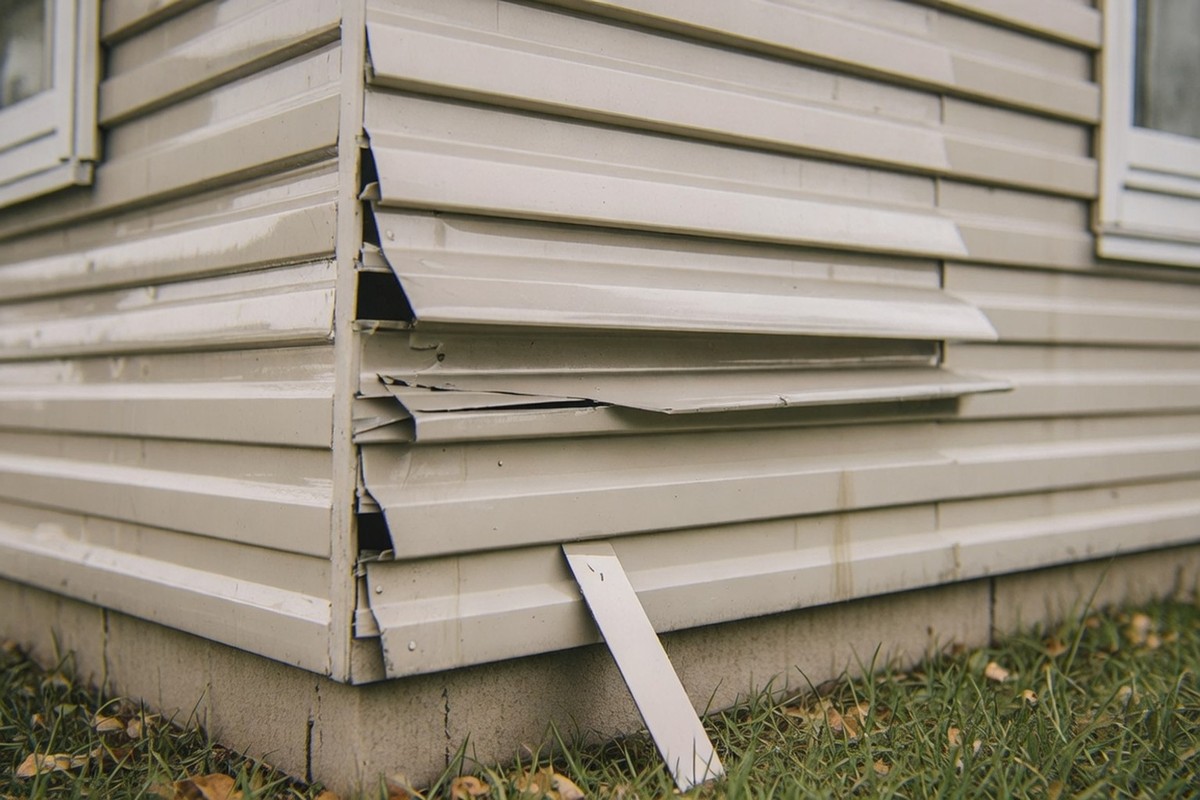
High winds move through the Ohio Valley more often than most homeowners realize, and siding is one of the first parts of a house to take the hit. A single strong gust can loosen panels, crack corners, and pry seams apart in ways that are easy to miss from the ground. When a storm passes and you need fast help, emergency restoration in Cincinnati is available, but knowing what to look for yourself is the first step toward protecting your home.
Wind damage to siding is not always dramatic. Sometimes a whole section is torn away and impossible to ignore, but far more often the harm is subtle. A slightly lifted panel or a hairline crack may look harmless, yet it can let moisture slip behind the wall where it slowly does real damage. Catching these problems early keeps a small repair from turning into a major one.
How Wind Actually Damages Siding
Siding is built to shed water and shrug off everyday weather, but sustained wind puts stress on it in ways ordinary conditions do not. Gusts create pressure differences across the surface of your home, pulling and pushing on panels until fasteners weaken. Over time, or during one powerful storm, that stress can pop panels loose along their locking edges.
Vinyl siding becomes more brittle in cold weather, so winter windstorms are especially hard on it. A gust that would flex the material in summer can snap it in January. Fiber cement and wood siding hold up differently, but they are still vulnerable at seams, corners, and any spot where the original installation left a weak point. Flying debris adds another layer of risk, since even a small branch traveling at speed can gouge or puncture a panel.
The trouble with wind damage to siding is that the visible break is rarely the whole story. When a panel lifts, wind and rain can drive moisture into the wall cavity, soaking insulation and sheathing. That hidden moisture is what leads to rot, mold, and higher energy bills long after the storm has cleared.
What Homeowners Should Check After a Storm
Once the weather calms and it is safe to walk your property, take a slow lap around the entire house. Look at your siding from a few different angles, since damage that hides in shadow from one direction often shows clearly from another. Pay close attention to the sides of your home that faced the wind, but do not skip the others.
A careful walkthrough should cover these key trouble spots:
- Loose, lifted, or rattling panels, especially near corners and along the bottom edges
- Cracks, chips, holes, or gouges that could have come from flying debris
- Gaps at seams or around windows, doors, and trim where caulk may have pulled away
- Faded or discolored streaks that hint at water tracking behind the siding
- Pieces of siding, trim, or fasteners lying in the yard
Inside the home, check the walls and ceilings on the storm-facing side for fresh water stains, bubbling paint, or a musty smell. These interior clues sometimes appear before any obvious exterior damage becomes visible, and they are a strong sign that moisture has already found a way in.
Why Small Siding Damage Deserves Attention
It is tempting to overlook a single cracked panel, particularly if it is tucked out of sight. The problem is that siding works as a system. Each panel relies on the ones around it to lock into place and channel water away from the wall. When one piece is compromised, the whole section around it becomes more vulnerable to the next storm.
Moisture is the real enemy here. Water that gets behind siding does not evaporate quickly. It lingers against the sheathing and framing, creating the damp, dark conditions where mold grows and wood begins to rot. By the time you notice interior staining or a soft spot on the wall, the repair has often grown well beyond the siding itself. Addressing wind damage to siding promptly is far less costly than dealing with structural repairs later.
Your siding also protects everything behind it, including insulation that keeps your energy bills in check. Gaps and cracks let conditioned air escape and outside air seep in, which quietly drives up heating and cooling costs. Restoring a tight, sealed exterior is about comfort and efficiency as much as appearance.
When to Call a Professional
Some homeowners feel comfortable inspecting their own siding, and a ground-level look is a great starting point. But confirming the full extent of wind damage to siding usually calls for a trained eye. Professionals know where hidden moisture collects, how to check the wall cavity without causing more harm, and whether a repair or a larger replacement makes the most sense.
Storms rarely damage just one part of a house. Wind that lifts siding often loosens shingles and bends gutters at the same time, so it pays to look at the whole exterior together. Our team handles siding repair and installation in Cincinnati along with roofing and gutter work, which means a single inspection can catch problems that a siding-only look might miss. If your roof took a beating in the same storm, a professional can also assess whether you need roof repair in Florence before the next round of weather arrives.
A professional inspection is especially important if you plan to file an insurance claim. Documented, expert assessment of the damage helps you show what the storm caused and supports your case. Acting quickly also matters, because many policies expect homeowners to prevent further damage once a problem is known.
Protecting Your Home Before the Next Storm
You cannot control the weather, but you can make your home more resilient. Keeping trees trimmed so branches do not overhang your siding reduces the debris risk during high winds. Checking your caulk and seals once or twice a year keeps small gaps from widening. And having damage repaired promptly, rather than waiting for the busy season after a major storm, keeps your exterior in the best possible shape.
It also helps to know who you will call before you need them. Storms in Cincinnati and the surrounding areas can arrive with little warning, and having a trusted restoration and roofing team ready saves precious time when water is already finding its way inside. When damage is severe, our crews provide emergency water damage restoration to stop the spread before it worsens.
To recap, walk your property after every significant windstorm, look closely at panels, seams, and corners, and watch for interior clues that moisture has slipped through. Treat even minor siding damage seriously, since the real cost usually hides behind the wall. Reach out to us for a professional assessment and let our team help you get ahead of the next storm.