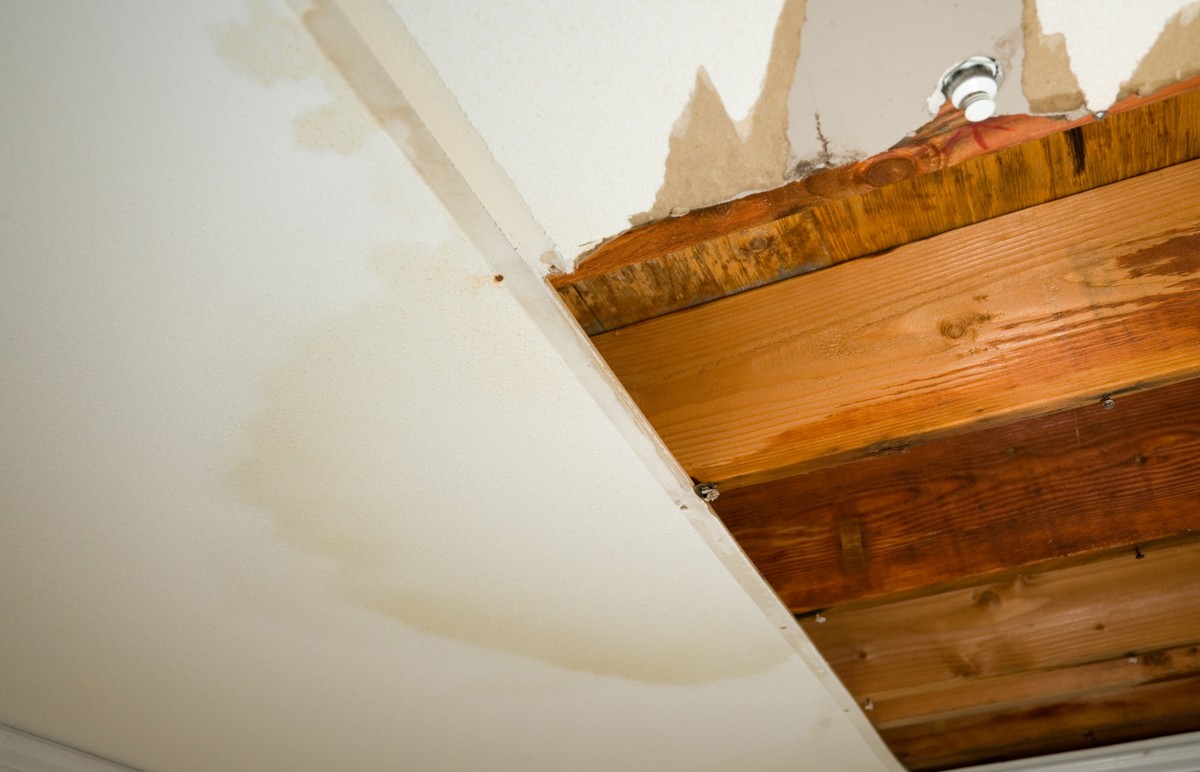
Climbing into the attic to grab holiday decorations or store a few boxes is often how homeowners first discover trouble overhead. A dark ring on the plywood, a damp rafter, or a patch of discolored insulation can send your mind racing straight to the worst case scenario. Before you panic, it helps to understand that not every water stain means your shingles have failed. The real question is whether you are dealing with attic condensation or roof leak damage, because the two problems have very different causes and very different solutions.
Telling them apart matters, and getting it wrong can cost you. Treat a moisture problem as a leak and you might replace shingles that were never the issue. Ignore a genuine leak as "just condensation" and you risk mold, rotted framing, and ruined insulation. If you spot active dripping or widespread saturation, do not wait it out. Our team offers emergency restoration in Cincinnati, Florence, and beyoind for exactly these moments, when water is already doing damage and every hour counts.
What Attic Condensation Looks Like
Condensation forms when warm, moist air from inside your home rises into a cold attic and meets surfaces that are below the dew point. The underside of the roof deck, nail tips, and metal fixtures cool down quickly in winter, and when humid air touches them, that moisture turns to water droplets or frost. As temperatures swing, the frost melts and drips, leaving stains that can look remarkably like a leak.
A few clues point toward condensation rather than roofing failure. The moisture tends to appear across a broad area rather than at one concentrated spot. You may notice tiny rust rings around the tips of roofing nails poking through the deck, or a general dampness on the sheathing after a cold snap. Frost that shows up overnight and vanishes by afternoon is another telltale sign. Condensation problems usually trace back to poor attic ventilation, insufficient insulation, or indoor humidity sources like bathroom fans and kitchen vents that dump air into the attic instead of outside.
How to Spot an Actual Roof Leak
A roof leak behaves differently. Water intrusion from outside typically concentrates in one location and follows the path of gravity, so you will often see a stain that starts high near a penetration and streaks downward along a rafter. Leaks frequently line up with roof features such as vents, chimneys, skylights, or valleys where flashing can fail. The stains tend to grow after rain or snowmelt rather than after a cold, dry night.
When you investigate, look for discoloration that darkens and spreads with each storm, soft or spongy decking, and insulation that is wet in a defined patch. If daylight is visible through the roof boards, that is a clear structural gap. Tracing the water uphill from the stain toward the roof's exterior usually leads you to the entry point. The timing is one of the most reliable ways to settle the attic condensation or roof leak question: moisture tied to precipitation points to a leak, while moisture tied to temperature points to condensation.
Why the Difference Matters So Much
Misdiagnosing the source of attic moisture leads homeowners down the wrong path, and both outcomes are expensive. If the true cause is condensation and you pay for roof work, the dampness will simply return the next cold season because nothing addressed the ventilation and humidity issue. On the other hand, if you assume a stain is harmless condensation when a shingle or flashing has actually failed, water keeps infiltrating with every rainstorm. Over time that encourages wood rot, degrades insulation, and creates ideal conditions for mold growth that can spread beyond the attic.
Here is a quick way to keep the two straight when you are up there with a flashlight:
- Widespread dampness, frost, or rusty nail tips that appear after cold weather usually mean condensation and a ventilation problem.
- Concentrated, downward-running stains near roof penetrations that worsen after rain usually mean a genuine leak that needs roofing attention.
When the signs are mixed or you simply are not certain, a professional inspection removes the guesswork. We regularly walk Cincinnati and surrounding areas homeowners through this process, identifying whether the fix belongs in the attic or on the roof itself.
Fixing Condensation Problems
If your investigation points to condensation, the goal is to move moist air out and keep the attic temperature closer to the outdoor air. That often means improving intake and exhaust ventilation through soffit and ridge vents, adding or correcting insulation so warm indoor air stays below, and making sure bathroom and kitchen exhaust fans vent fully to the exterior rather than into the attic cavity. Sealing gaps around light fixtures, attic hatches, and ductwork also reduces the amount of humid air sneaking upward.
Many condensation issues are gradual, so you have time to plan the right improvements. That said, moisture that has lingered can still leave behind mold or damaged materials, and in those cases our property restoration services can address the aftermath while the ventilation fix prevents it from coming back.
Fixing Roof Leaks
When a true leak is to blame, the priority shifts to stopping water intrusion and repairing any damage it has already caused. Depending on the source, that might involve replacing cracked or missing shingles, resealing flashing around a chimney or vent, or addressing a worn valley. Prompt action limits how far the water can travel and how much framing and insulation it can ruin. For localized issues, professional roof repair in Cincinnati is often all it takes to restore a sound, dry attic.
Older roofs or those with widespread deterioration sometimes call for a bigger solution. If repairs would only buy a season or two, a full replacement protects the home far more reliably over the long run. Homeowners across the region, including those exploring roof installation in Florence, turn to us when it is time to weigh a lasting fix against repeated patchwork, and we help them make the call that fits their roof's actual condition.
When to Bring in a Professional
Some situations are straightforward enough to monitor on your own, but others deserve expert eyes right away. Active dripping during a storm, stains that keep expanding, a musty smell, visible mold, or sagging decking all signal that the problem has moved beyond a simple observation. An experienced inspector can confirm whether you are facing attic condensation or roof leak damage, pinpoint the source, and recommend a repair that actually solves it instead of masking it.
The bottom line is that a water stain in the attic is a clue, not a diagnosis. Watch for the timing and pattern of the moisture, since condensation follows the cold and leaks follow the rain. Settling the attic condensation or roof leak question early protects your insulation, your framing, and your indoor air quality, and it keeps a small issue from becoming a major restoration project. If you have found something overhead that you cannot explain, reach out for a professional assessment and let us help you figure out the right next step for your home.