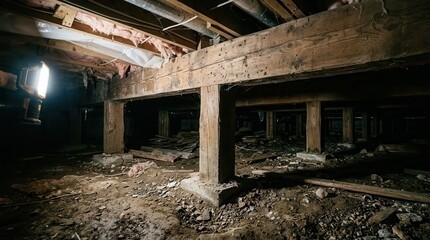
Few parts of a home get ignored as often as the crawl space, yet it may be the single biggest source of indoor air problems in your house. Because warm, damp, and poorly ventilated conditions create the perfect breeding ground for fungus, learning how to get rid of mold in crawl space areas is one of the smartest things a homeowner can do to protect both their property and their family's health. When moisture and growth get out of hand, you may need professional help, including emergency restoration in Cincinnati and beyond.
The challenge is that mold in a crawl space rarely stays put. Spores travel upward through floor joists, ductwork, and gaps around plumbing, which means a problem beneath your feet can quietly affect the air you breathe throughout the house. Below, we walk through how to identify the issue, address it safely, and know when the job calls for a trained team.
Why Crawl Spaces Are a Magnet for Mold
Mold needs three things to thrive: moisture, organic material, and limited airflow. A typical crawl space offers all three in abundance. Exposed soil releases humidity, wooden framing and insulation provide food, and the enclosed design traps stagnant air. In the Ohio Valley, seasonal rain and high humidity only add to the problem, so homeowners in Cincinnati and the surrounding areas often find growth returning year after year if the root cause is never fixed.
Common moisture sources include foundation cracks, plumbing leaks, poor drainage around the home, and groundwater that wicks up through bare dirt. Even condensation on cold pipes during humid months can supply enough dampness to keep mold alive. Before you can truly get rid of mold in crawl space areas, you have to understand where the water is coming from, because cleaning the surface without stopping the moisture simply resets the clock.
Warning Signs You Should Not Ignore
You do not always have to crawl under the house to suspect a problem. A persistent musty odor inside your home, especially near floor vents or on the lowest level, is often the first clue. Other signals include warping or cupping hardwood floors, unexplained allergy symptoms that ease when you leave the house, and higher than normal humidity readings on an indoor hygrometer.
If you do inspect the space yourself, look for fuzzy or discolored patches on joists and subflooring, white crystalline staining on the foundation, and damp or matted insulation. Standing water or a visible waterline on the walls points to a drainage or plumbing issue that needs attention before any cleanup begins. When moisture is severe, addressing the source may involve water damage restoration in Cincinnati to dry the structure properly and prevent recurrence.
How to Get Rid of Mold in Crawl Space Areas Safely
Safety comes first, because disturbing mold releases spores into the air. Before you enter, put on an N95 or better respirator, goggles without ventilation holes, gloves, and clothing you can wash or discard afterward. Never work in a crawl space with standing water that could be near electrical wiring, and make sure someone knows you are down there.
For small, contained growth on non-porous surfaces, a careful cleaning approach can be effective. The general process looks like this:
- Fix the moisture source first, whether that means repairing a leak, improving grading, or sealing a foundation crack.
- Remove and bag any saturated insulation or badly damaged porous materials, since these usually cannot be salvaged.
- Scrub affected hard surfaces with a detergent solution, then wipe them dry rather than soaking the wood further.
- Dry the entire area thoroughly using fans and a dehumidifier until humidity stays well below the level that supports growth.
- Consider a vapor barrier over exposed soil to keep ground moisture from returning.
A word of caution on bleach: many homeowners reach for it, but on porous wood it tends to leave the roots of the mold behind while the water in the bleach feeds regrowth. Purpose-made antimicrobial products are generally a better choice. And if the affected area is larger than a few square feet, if the mold keeps coming back, or if anyone in the home has respiratory sensitivities, it is safer to stop and call a professional than to risk spreading spores through the house.
Preventing Mold From Coming Back
Once you successfully get rid of mold in crawl space areas, keeping it gone depends on controlling humidity for the long term. Encapsulation, which seals the floor and walls with a heavy-duty vapor barrier, is one of the most reliable ways to isolate the space from ground moisture. Pairing that with a dedicated crawl space dehumidifier keeps relative humidity in a range where mold cannot take hold.
Exterior details matter just as much. Make sure gutters and downspouts carry water well away from the foundation, grade the soil so it slopes away from the house, and address any roof or siding gaps that let water in from above. Many crawl space moisture issues actually begin at the roofline or with failing gutters, so maintaining those systems protects everything below. Routine inspections, especially after heavy storms, help you catch small leaks before they turn into a full-blown infestation.
When to Call the Professionals
Some situations are simply beyond a weekend project. Widespread growth, contaminated HVAC ducts, structural wood damage, or mold tied to a sewage or flooding event all demand professional containment and removal. Trained technicians use negative air pressure, HEPA filtration, and proper disposal methods to keep spores from migrating into living spaces, something a shop vacuum and a face mask cannot accomplish.
A professional assessment also pinpoints the moisture source you might miss, so the fix lasts. For homeowners who want the problem solved thoroughly and safely, professional property restoration services combine inspection, remediation, and repair under one roof. We serve Florence, Cincinnati, and nearby communities, and our team handles everything from mold remediation in Florence to the water damage work that so often lies behind it.
The bottom line is that mold in a crawl space is a symptom of a moisture problem, not just a cosmetic nuisance. By catching the warning signs early, controlling humidity, and working safely, you can get rid of mold in crawl space areas and keep your home's air clean. For minor issues, careful DIY cleanup may be enough, but larger or recurring growth deserves expert attention.
If you suspect mold under your home or you are dealing with the aftermath of a leak or flood, do not wait for it to spread. Reach out for a professional evaluation, and let our experienced team help you protect your property and your health with a solution built to last.