One of the most common questions we hear after a fire is surprisingly simple: do fire sprinklers detect smoke? It seems logical that a system designed to fight fire would react to the first wisp of smoke curling toward the ceiling. The reality is a bit different, and understanding how these systems actually work can help you protect your home or business more effectively. When a fire strikes, the aftermath often requires emergency restoration in Cincinnati, and knowing what your sprinklers did (and did not) do helps everyone respond faster.
The short answer is that most standard fire sprinklers do not detect smoke at all. They respond to heat. That distinction matters because it shapes how quickly a system activates, how much water it releases, and what kind of damage you might be dealing with once the flames are out. Let's break down the science behind these life-saving systems and clear up the confusion.
The Real Trigger: Heat, Not Smoke
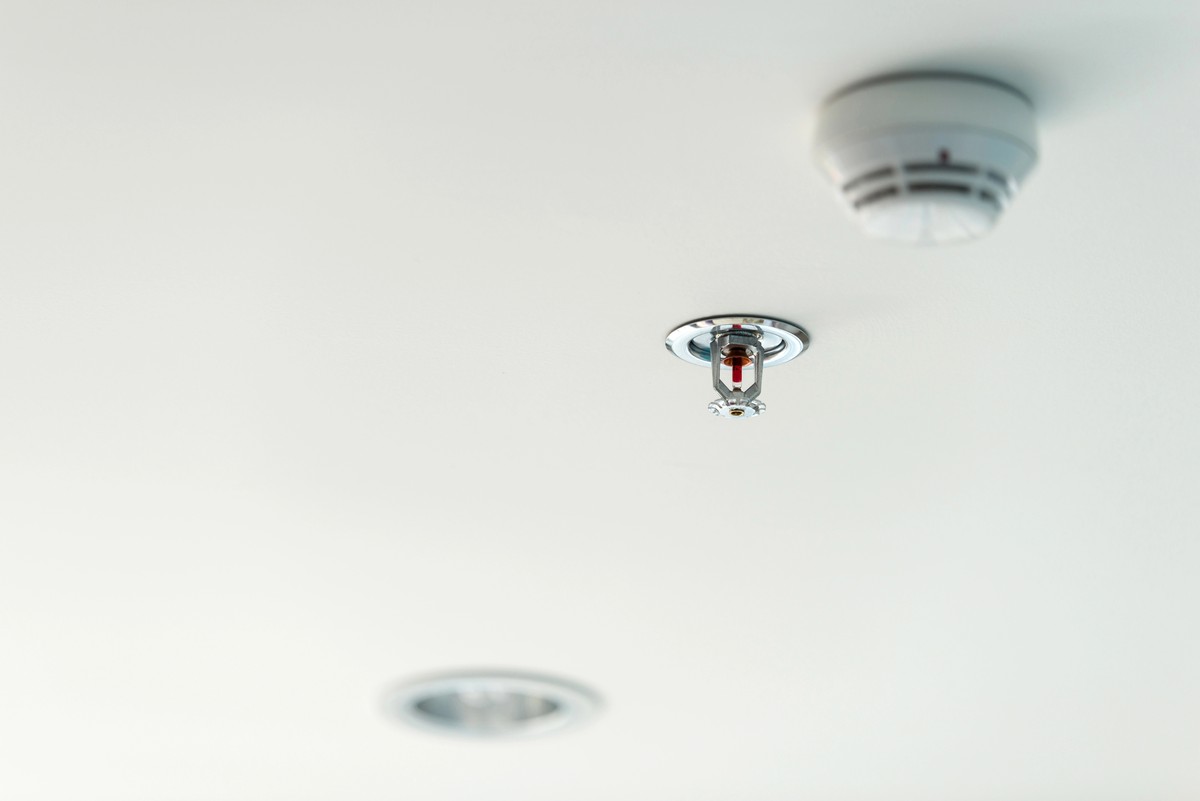
To answer the question directly, do fire sprinklers detect smoke? No, the vast majority of them do not. Traditional fire sprinklers are heat-activated devices. Each sprinkler head contains either a glass bulb filled with a heat-sensitive liquid or a metal link held together by a fusible alloy. When the temperature around the sprinkler head rises to a specific point, usually between 135 and 165 degrees Fahrenheit, the liquid expands and shatters the bulb, or the alloy melts and releases the plug. Only then does water flow.
This heat-based design is intentional. Fires generate intense, localized heat before they spread, and using temperature as the trigger reduces the chance of accidental activation. Smoke can drift through a building for many reasons, from burnt toast to a smoky grill, and you would not want water pouring down every time someone overcooks dinner. By waiting for a genuine heat signature, sprinklers activate when there is a real, sustained fire directly beneath them.
Why Only the Sprinklers Near the Fire Activate
A widespread myth, often fueled by movies, is that when one sprinkler goes off, the entire building's system opens at once and soaks everything. That is almost never true in a standard wet-pipe system. Because each sprinkler head reacts independently to the heat in its immediate area, only the heads directly above or near the fire will activate. In most residential and commercial fires, one or two sprinkler heads are enough to control or extinguish the blaze before it grows.
This targeted response is one of the reasons sprinklers are so effective. They limit fire spread while also limiting unnecessary water damage to unaffected areas. That said, even a single activated sprinkler releases a significant amount of water, and that water has to go somewhere. It seeps into flooring, drywall, insulation, and belongings, which is why fire events so often involve both fire and water cleanup at the same time.
How Smoke Detectors and Sprinklers Work Together
If sprinklers respond to heat, what handles the smoke? That job belongs to smoke detectors and fire alarm systems, which are entirely separate from your sprinkler network. Smoke detectors use photoelectric or ionization sensors to catch smoke particles early, often long before enough heat has built up to trip a sprinkler head. Their purpose is to alert people so they can evacuate and call for help quickly.
In many commercial buildings, smoke detection and sprinkler systems are integrated into a broader fire protection plan, but they perform different roles. The smoke alarm warns you and summons the fire department. The sprinkler suppresses flames once heat reaches the activation point. Together they cover both early warning and active suppression. So when someone asks, do fire sprinklers detect smoke, the more complete answer is that smoke detection is a separate layer of protection working alongside your sprinklers, not a function built into them.
Special Systems That Behave Differently
There are exceptions worth knowing about. Some advanced facilities use pre-action sprinkler systems, which are common in places like data centers, museums, and archives where accidental water discharge would be catastrophic. These systems require two triggers before water flows. First, a smoke or heat detector must sense a problem, which fills the pipes with water. Then, a sprinkler head must reach its activation temperature. This double-check design helps prevent costly accidental releases while still providing suppression when a real fire occurs.
Deluge systems, used in high-hazard environments, take the opposite approach and release water from all heads at once when triggered by a detection system. These specialized setups are the closest thing to a system that reacts to smoke, but they are engineered for specific industrial applications rather than typical homes and offices. For the average property in Cincinnati and the surrounding areas, a standard heat-activated wet-pipe system is what you are most likely to have.
What Happens After the Sprinklers Do Their Job
When sprinklers activate, they save lives and property, but they also create a new challenge. You are often left with a combination of fire, smoke residue, and standing water all in the same space. Smoke leaves behind acidic soot that can corrode surfaces and cling to walls, ceilings, and HVAC systems. Meanwhile, the water used to control the fire soaks into structural materials and can lead to mold if it is not extracted quickly.
This is exactly why professional cleanup is so important, and why so many fire events require both fire and water expertise. Prompt action prevents secondary damage and preserves what can be saved. Our team handles water damage restoration in Cincinnati alongside soot and smoke removal, so property owners do not have to juggle multiple contractors during an already stressful time. Addressing both problems together shortens the recovery timeline and reduces overall cost.
The steps we typically take after a fire include a few key priorities:
- Extract standing water and dry out saturated materials to stop mold growth.
- Remove soot and neutralize smoke odor from surfaces, contents, and air systems.
- Assess structural elements, including the roof, to identify heat and water damage.
- Restore and rebuild affected areas so the property looks and functions like new.
Protecting Your Property in Cincinnati and Beyond
Understanding that sprinklers react to heat rather than smoke should reinforce, not replace, your commitment to smoke detectors. Keep working smoke alarms on every level of your home, test them regularly, and never disconnect a sprinkler system that has been professionally installed. These systems complement each other, giving you both early warning and active suppression when seconds count.
If a fire does occur, quick professional help makes all the difference. When you need water damage restoration in Florence after sprinklers or firefighting efforts leave your property soaked, our experienced crews are ready to respond across Cincinnati, Florence, and neighboring communities. We handle the full scope of recovery, from water extraction and soot removal to structural repairs.
So the next time someone wonders do fire sprinklers detect smoke, you will know the answer and the reasoning behind it. Sprinklers wait for heat, smoke detectors watch for smoke, and together they form a powerful defense. And when the danger has passed, having a trusted restoration partner ready to clean up the fire, smoke, and water damage means you can focus on getting life back to normal. Reach out to 1st Call Disaster Services anytime you need fast, reliable help.