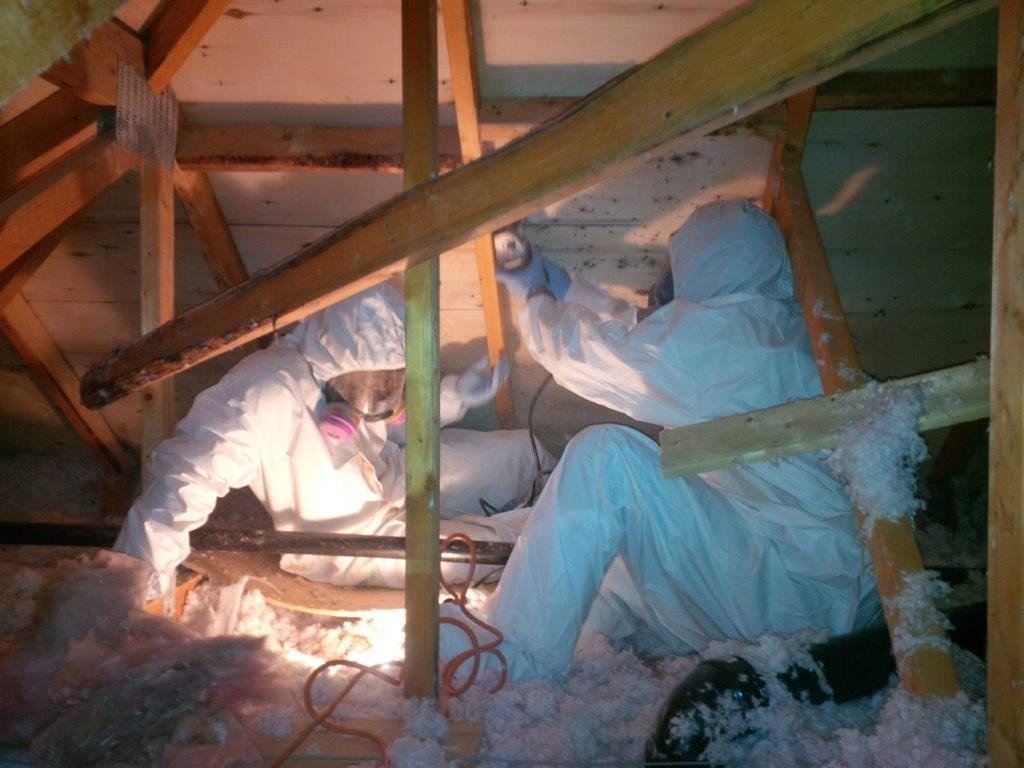
Mold can take hold in a matter of days, often before you notice a musty smell or a discolored patch on the wall. Once it establishes itself, it spreads through porous materials and airborne spores that settle into new areas of your property. That is why understanding professional mold abatement techniques matters so much, whether you are a homeowner recovering from a leak or a business owner protecting employees and customers. When mold problems escalate, the right response can mean the difference between a contained cleanup and a costly, whole-property ordeal.
At 1st Call Disaster Services, we handle mold alongside emergency restoration in Cincinnati and the surrounding areas every day. The truth is that no two mold situations are identical. The size of the growth, the type of surface affected, and the moisture source all influence which approach a trained team will use. This guide walks through the most common professional methods and explains when each one is the appropriate choice.
Why Professional Assessment Comes First
Before any cleaning begins, a qualified team inspects the property to understand the full scope of the problem. Surface mold on a bathroom tile is a very different challenge than mold hidden behind drywall or inside an HVAC system. A proper assessment identifies not only where mold is visible but where it may be growing out of sight, along with the moisture source that allowed it to thrive.
This step guides every decision that follows. Skipping it often leads to incomplete cleanups where mold returns weeks later because the underlying water issue was never addressed. Professionals frequently use moisture meters, thermal imaging, and air sampling to build an accurate picture. Only then can they choose mold abatement techniques suited to the specific material and severity involved.
Containment: Keeping Spores From Spreading
One of the first things a technician does on a significant job is isolate the work area. Mold releases microscopic spores that travel easily on air currents, and disturbing a colony during removal can send them throughout a building. Containment prevents that spread and protects unaffected rooms.
For smaller jobs, this may mean sealing a doorway with plastic sheeting. Larger or more serious situations call for full containment with negative air pressure, which uses specialized fans and filtration to ensure air flows into the contained zone rather than out of it. This method is standard whenever there is extensive growth or when the affected area connects to living spaces that must stay usable during the work.
Filtration and Air Scrubbing
Even with containment in place, airborne spores need to be captured and removed. Professionals rely on HEPA air filtration to pull tiny particles out of the environment. Air scrubbers run throughout the project, continuously cycling the air and trapping spores that would otherwise resettle on cleaned surfaces.
This technique is used in nearly every serious mold project because it improves air quality both during and after removal. In addition to portable scrubbers, technicians often use HEPA vacuums on surfaces and materials. The combination reduces the spore count and helps prevent cross contamination between the work zone and the rest of the property.
Removal and Cleaning Methods
Once the area is contained and the air is being filtered, the actual removal begins. The approach here depends heavily on the material affected. Porous items like drywall, carpet, and insulation that have absorbed mold usually cannot be fully cleaned and are removed and replaced. Non-porous surfaces such as metal, glass, and finished wood can often be cleaned and saved.
Several proven methods come into play depending on the situation:
- HEPA vacuuming and damp wiping for lightly affected non-porous surfaces where the material is structurally sound.
- Antimicrobial and antifungal treatments applied after cleaning to discourage regrowth on treated areas.
- Abrasive methods such as media blasting for heavier growth on structural wood or framing that cannot be wiped clean.
- Controlled demolition for saturated porous materials that must be removed and replaced entirely.
Choosing the correct method requires experience. Applying an aggressive technique to a delicate surface can cause unnecessary damage, while under-treating a heavy infestation leaves spores behind. This balance is central to effective mold abatement techniques and is one reason professional judgment matters more than any single product or tool.
Addressing the Moisture Source
Mold cannot survive without moisture, so any lasting solution must eliminate the water problem that created the ideal conditions. This is where mold work and water restoration overlap. A roof leak, a burst pipe, poor drainage, or high indoor humidity can all feed mold growth, and cleaning without fixing the source almost guarantees a return.
Our team often addresses these issues together. If a leaking roof caused the problem, repairs to the roof and exterior are part of the fix. If a plumbing failure flooded a basement, drying and repairs go hand in hand with remediation. For property owners dealing with a leak, our roof repair services in Cincinnati help close off the water intrusion that allows mold to flourish. Homes and businesses that need emergency water damage restoration in Florence benefit most when moisture control and mold work are coordinated from the start.
Drying, Restoration, and Final Verification
After removal and cleaning, the area must be dried thoroughly. Professionals use dehumidifiers and air movers to bring moisture levels back to normal, monitoring readings to confirm the environment no longer supports mold. Rushing this stage is a common mistake that undermines the entire project.
Reconstruction follows once the space is dry and verified clean. This can range from replacing a section of drywall to more extensive rebuilding, depending on how much material was removed. Many teams also perform post-remediation testing or a final inspection to confirm the work succeeded and the spore levels have returned to acceptable ranges. This verification step gives property owners confidence that the problem is genuinely resolved rather than temporarily hidden.
When to Call a Professional
Small spots of surface mold, roughly the size of a dinner plate or smaller, can sometimes be handled with careful cleaning. Larger growth, mold that returns after cleaning, contamination inside walls or HVAC systems, and any situation tied to significant water damage all call for professional attention. Health concerns among occupants are another strong reason to bring in trained technicians rather than attempting a do-it-yourself fix.
Timing matters too. The longer mold sits, the more it spreads and the more expensive the eventual cleanup becomes. Acting quickly limits both the damage and the disruption to your daily life.
Effective mold control comes down to a clear sequence: assess the problem, contain the area, filter the air, remove and clean affected materials, eliminate the moisture source, and verify the results. Each of these mold abatement techniques serves a specific purpose, and a skilled team knows when and how to apply them. Cutting corners on any single step tends to invite the problem right back.
If you are facing a mold issue, professional help protects both your property and the people who use it. Contact 1st Call Disaster Services to schedule an assessment and get a clear plan for getting your space clean, dry, and healthy again.