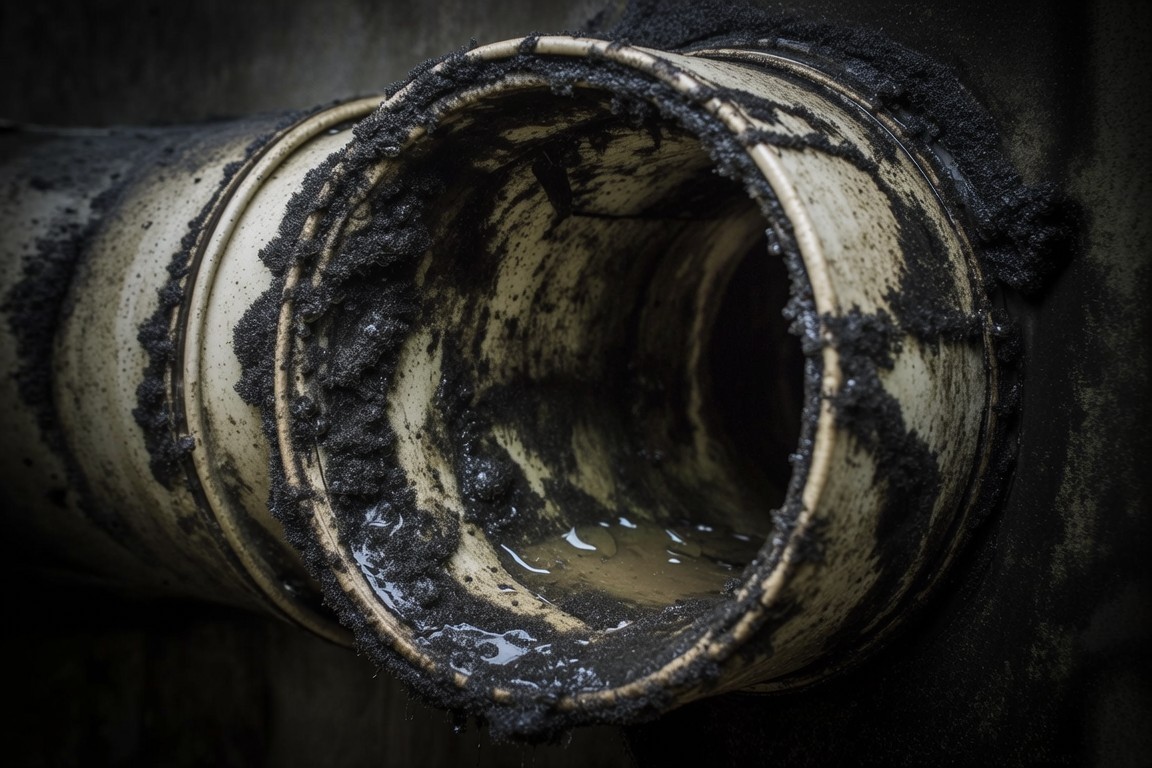
That dark, slimy ring forming just inside your kitchen or bathroom sink drain is more common than most homeowners realize, and it often leads to the same urgent question: is black mold in sink drain dangerous? The short answer is that it can be, depending on what is actually growing there and how sensitive the people in your home are to it. Mold thrives in the damp, dark, food-rich environment of a drain, and once it takes hold, it can spread quickly if ignored.
Understanding what you are dealing with helps you respond calmly and correctly. Most sink-drain discoloration is manageable with routine cleaning, but in some cases it signals a deeper moisture problem that calls for professional attention. If you ever discover widespread growth tied to a plumbing leak or standing water, emergency restoration in Cincinnati is available to assess the situation and protect your home before the problem worsens.
What Is Actually Growing in Your Drain?
The black or dark green film you see around a sink drain is often a mix of bacteria, soap scum, food residue, and mold. True toxic black mold, scientifically known as Stachybotrys chartarum, typically requires soaked porous materials like drywall or wood to flourish, and it is less likely to settle inside a metal or PVC drain. That said, plenty of other mold species, including species that produce allergens and irritants, are perfectly happy living in the moist biofilm that coats your drain.
So when people ask whether black mold in sink drain dangerous situations warrant worry, the honest answer is that the color alone does not tell the whole story. What matters more is how much is present, whether it keeps coming back, and whether anyone in the household is experiencing symptoms. A thin film that cleans away easily is far less concerning than recurring growth that returns within days.
The Health Risks to Take Seriously
Mold releases tiny spores into the air, and when those spores accumulate near a frequently used sink, people can breathe them in regularly. For many healthy adults, occasional exposure causes little more than mild irritation. For others, the effects can be more pronounced, especially with ongoing exposure.
Common reactions include nasal congestion, sneezing, coughing, itchy eyes, and skin irritation. People with asthma, allergies, weakened immune systems, or respiratory conditions tend to feel the effects more strongly. Infants, young children, and older adults are also more vulnerable. If you notice that symptoms improve when you leave the house and return when you come home, that pattern is worth paying attention to, because it may point to mold or another indoor air quality issue.
This is why the question of whether black mold in sink drain dangerous conditions exist cannot be answered the same way for every home. A family with no sensitivities may barely notice a small amount, while a household with an asthmatic child should treat even minor growth with more urgency.
Why Mold Keeps Coming Back
Drains offer mold everything it needs to survive. Food particles, grease, hair, toothpaste, and soap residue provide a steady food supply, while the constant moisture creates ideal growing conditions. Add in the darkness inside the pipe and warmth from household plumbing, and you have a perfect breeding ground.
If you clean your drain and the growth returns within a week or two, the underlying conditions have not changed. Sometimes the real issue is a slow leak beneath the sink, poor ventilation, or trapped debris deeper in the pipe. Persistent mold can also hint at humidity problems elsewhere in the home. When discoloration spreads beyond the drain to the cabinet, countertop seams, or surrounding walls, that is a signal the moisture source needs to be found and corrected rather than just wiped away.
How to Clean a Moldy Sink Drain Safely
For a typical case confined to the visible part of the drain, you can usually handle cleanup yourself with basic precautions. Wear gloves and ensure the room is ventilated, and avoid mixing cleaning chemicals, since combinations like bleach and ammonia produce dangerous fumes.
- Scrub the visible drain opening and stopper with a brush, hot water, and dish soap to remove the biofilm that feeds mold.
- Pour a kettle of boiling water down the drain, followed by baking soda and vinegar, then flush again with hot water to break down buildup deeper in the pipe.
- Disinfect the area with an appropriate cleaner, and clean the stopper, overflow holes, and surrounding fixtures where spores collect.
- Keep the drain dry when possible and repeat the cleaning routine regularly to prevent regrowth.
Routine maintenance like this resolves the majority of minor drain mold. The goal is not just to remove what you can see but to eliminate the greasy residue and debris that keep inviting it back.
When to Call a Professional
Surface cleaning has limits. If mold keeps returning no matter how thoroughly you clean, if you can smell a persistent musty odor, or if growth appears on walls, cabinets, or flooring near the sink, the problem likely extends beyond the drain itself. Hidden moisture inside cabinetry or behind walls can fuel mold that you never fully see, and that is where professional evaluation becomes important.
Professionals can identify the moisture source, measure the extent of contamination, and remove affected materials safely without spreading spores throughout your home. This matters because disturbing a large colony incorrectly can make an air quality problem worse. If the mold is tied to a plumbing failure or past flooding, addressing the water issue is just as critical as the cleanup, and our team handles both. Homeowners dealing with leaks or standing water can learn more about our emergency water damage restoration in Cincinnati, OH to stop the source before mold ever gets a foothold.
Protecting Your Home for the Long Term
Preventing drain mold comes down to controlling moisture and keeping surfaces clean. Fix leaks promptly, run exhaust fans in bathrooms, wipe down wet surfaces, and clear food debris from kitchen drains before it accumulates. Lowering indoor humidity with a dehumidifier in damp areas also helps, since mold struggles to spread when surfaces dry quickly.
Ultimately, whether black mold in sink drain dangerous conditions develop in your home depends on how quickly you address the moisture and buildup that feed it. Most cases are manageable, but recurring or widespread growth deserves a closer look. When the problem goes deeper than a quick scrub can reach, professional mold remediation in Cincinnati gives you a thorough, lasting solution rather than a temporary fix.
Our team proudly serves Cincinnati and the surrounding areas, helping homeowners tackle everything from stubborn drain mold to larger moisture emergencies. If a leak or flood is the root cause, our experts also provide water damage restoration in Florence and nearby communities to stop damage at the source. Reach out for a professional assessment whenever you are unsure, and protect both your property and your family's health.