Water itself is not exactly a food source, so many homeowners are surprised to learn how closely mold and moisture are tied together. If you have ever found fuzzy growth floating on standing water in a basement or clinging to the edge of a damp windowsill, you have already seen the connection at work. So can mold grow on water? The short answer is that mold does not feed on water alone, but water is the trigger that lets mold thrive on nearly every surface around it. When a leak, flood, or humidity problem strikes, quick action matters, and emergency restoration in Cincinnati is often the difference between a minor cleanup and a major renovation.
Understanding the relationship between water and mold helps you spot problems early, protect your family's health, and avoid costly structural damage. Below, we break down exactly how moisture fuels mold, where it tends to grow, and what you can do to stop it before it spreads through your home.
Can Mold Grow on Water? What Really Happens
To answer the question directly: can mold grow on water on its own? Not really. Mold spores need three things to grow, and water is only one of them. They also require organic material to feed on and a comfortable temperature. What confuses people is that water is almost never truly alone. Standing water collects dust, pollen, dead skin cells, and tiny organic particles. That thin layer of debris becomes the buffet, and the water provides the humidity and surface conditions mold loves.
So when you see mold appearing to float on a puddle or grow on the surface of stagnant water, it is actually feeding on the organic matter suspended in or resting on that water. Water is the catalyst that activates dormant spores. Without moisture, spores simply sit and wait. Add water, and within 24 to 48 hours those spores can begin to colonize whatever surface they land on.
How Moisture Spreads Mold Through a Home
Once moisture enters your home, mold has an open invitation. Water travels in ways you may not expect. It wicks upward through drywall, seeps into subflooring, and soaks into insulation where it stays trapped for days. Every one of those hidden damp spots becomes a launch point for new colonies. This is why a small, unnoticed leak behind a wall can lead to widespread contamination that is invisible until the smell or the health symptoms appear.
Humidity plays a role too. Even without a visible leak, indoor humidity above roughly 60 percent can create enough surface moisture for mold to establish itself. Bathrooms, kitchens, laundry rooms, and basements are common trouble zones because they combine warmth, organic dust, and frequent moisture. Air movement then carries spores from one room to another, so a problem that starts in one corner can quietly migrate across the whole house.
The materials in your home matter as well. Mold especially loves cellulose-rich surfaces such as drywall paper, wood, cardboard, carpet backing, and ceiling tiles. When these get wet and stay wet, they essentially become food soaked in the moisture mold needs to flourish.
Common Sources of Hidden Moisture
Because water is the deciding factor, controlling moisture is the single most effective way to prevent mold. The tricky part is that many moisture sources are hidden or slow. Some of the most common culprits homeowners overlook include:
- Roof leaks that let water trickle into the attic and drip into wall cavities
- Plumbing leaks under sinks, behind toilets, or inside walls
- Poor ventilation in bathrooms and laundry areas
- Basement seepage and foundation cracks after heavy rain
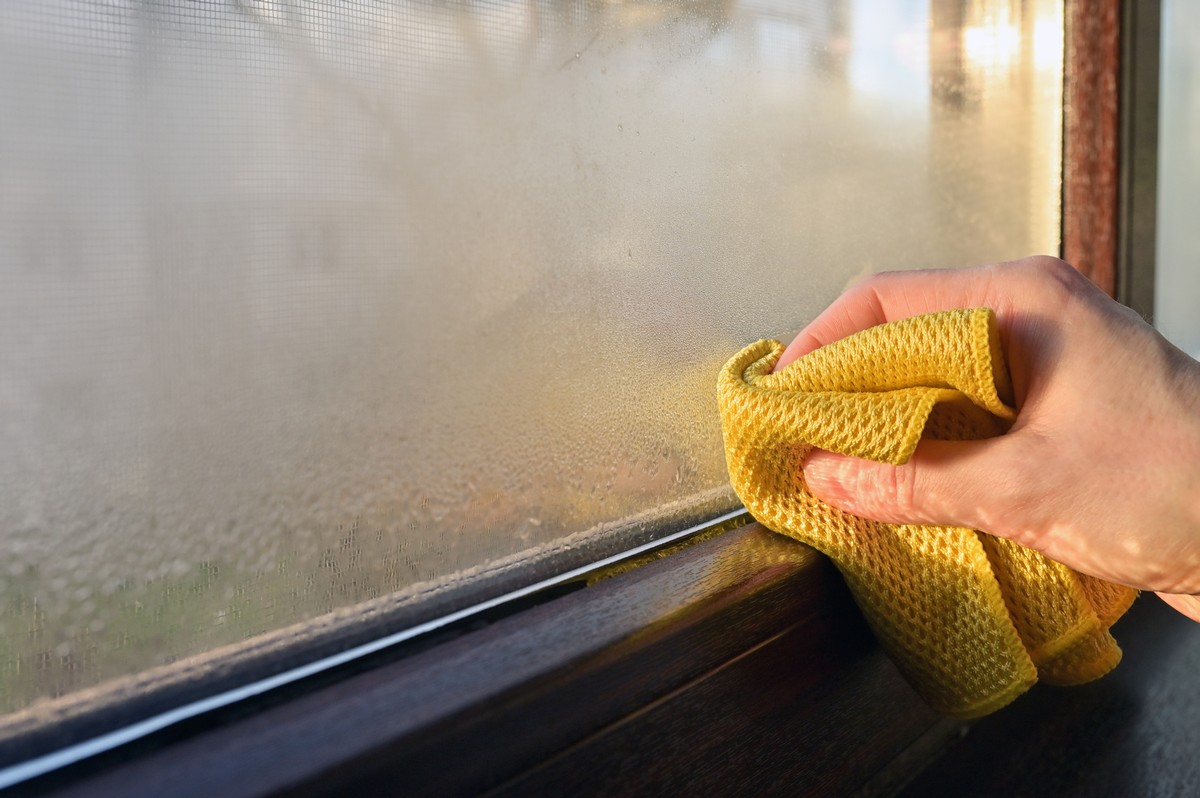
- Condensation on windows, pipes, and cooling systems
Roofing issues deserve special attention because they can go unnoticed for months. A single missing shingle or damaged flashing lets rainwater find its way inside, and by the time you see a ceiling stain, mold may already be growing in the attic. If you suspect your roof is the entry point, addressing the source with professional Cincinnati-based oof repairr is just as important as cleaning up the mold itself. Fixing the mold without fixing the leak simply guarantees it will return.
Why Mold From Water Is a Health and Property Concern
Mold is more than an eyesore. As colonies grow, they release spores and, in some cases, compounds that can affect indoor air quality. People with allergies, asthma, or weakened immune systems often notice symptoms first, including coughing, congestion, itchy eyes, and headaches. Even healthy individuals can be affected when exposure is prolonged.
On the property side, mold slowly breaks down the materials it feeds on. Wood weakens, drywall crumbles, and insulation loses effectiveness. What began as a moisture problem can eventually become a structural one. That is why professionals always treat mold and its underlying water source together. Simply wiping away visible growth does not solve the deeper issue if moisture remains trapped in the surrounding materials.
Stopping Mold at the Source
The most reliable way to keep mold out is to keep moisture out. Repair leaks promptly, run exhaust fans in humid rooms, use a dehumidifier in damp basements, and inspect your roof and gutters after major storms. Drying wet materials within the first day or two dramatically reduces the chance that spores take hold. If flooding or a significant leak occurs, do not wait to see if things dry on their own. Fast, thorough drying is essential, and this is where water damage restoration in Florence and nearby areas make a real difference by extracting water and drying hidden spaces you cannot reach on your own.
When mold has already established itself, professional handling is the safest route. Disturbing a colony can release large numbers of spores into the air, spreading the problem to previously clean areas. Trained teams contain the affected zone, remove contaminated materials, treat the surfaces, and verify that moisture levels have returned to normal. For homeowners throughout Cincinnati and the surrounding areas, expert mold remediation in Cincinnati ensures the job is done thoroughly rather than temporarily.
Protecting Your Home for the Long Term
So, can mold grow on water? Not on pure water alone, but water is the one ingredient that turns harmless spores into an active, spreading problem. Because moisture is everywhere in a home, from humidity in the air to leaks behind walls, staying alert to dampness is your strongest defense. Address leaks quickly, keep humidity in check, and never ignore the warning signs of musty odors or discoloration.
When a water event does happen, whether from a storm, a burst pipe, or a stubborn roof leak, acting fast keeps a manageable situation from becoming a health hazard and a repair nightmare. Our team serves homeowners across Cincinnati and neighboring communities with the equipment and experience to dry out your property and stop mold before it takes over.
If you are dealing with unexplained dampness, recent water damage, or visible growth, do not let it linger. Reach out to 1st Call Disaster Services for a professional assessment, and let us help you protect your home, your air quality, and your peace of mind.